So we all are busy with our daily work and home life, but the importance of proper heating maintenance on your furnace or boiler is paramount. This should be done at a minimum every 12 months.
You should consult a licensed HVAC company with experience on your type of heating system and follow the proper maintenance procedures and combustion analysis on your system. Below are the main items that they should be checking and you should verify that you are receiving the best service possible and are educating you about your systems. Some companies check additional components as well.
Natural or propane gas furnaces:
- Inspect air filter and change if needed.
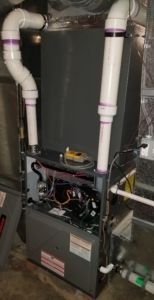
Gas Furnace
- Check thermostat(s) for proper operation.
- Inspect naural gas meter or propane tank.
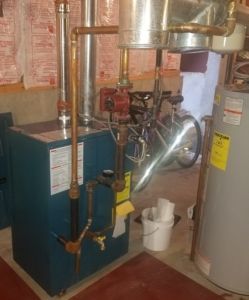
Gas Boiler
- Start furnace and watch for proper start up sequence and troubleshoot areas of concern.
- Inspect intake and exhaust piping.
- Check for proper gas pressure and check for gas leaks.
- Inspect fan blower motor.
- Inspect heat exchanger on visible components and if needed use an inspection camera.
- Verify proper heat flow output at registers.
- Perform a combustion test and print out results.
Natural or propane gas boilers:
In addition to the above, they also inspect all heating components like scoop valve, hi-vents, leaks on heating pipes, baseboard heat, zone valves, circulators, water jacket and many other components for proper operation.
There would not be any air filters since the heat is distributed by heating pipes and not ductwork. There would be no heat exchanger but a water jacket instead.
Oil boilers:
- Inpect oil tank, firematic valve and filter for leaks.
- Always change oil filter.
- Inspect copper oil line to boiler and make sure its in a protective sleeve (exposed or buried copper lines are not recommended).
- Change pump screen if present.
- Install new nozzle, clean assembly and check electrodes for proper alignment and wear.
- Open up view port into combustion chamber and inspect.
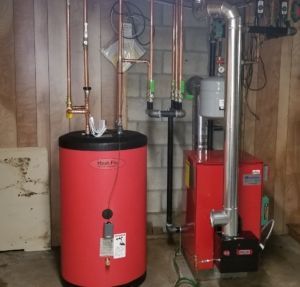
Oil Boiler With Water Storage
- Remove both the smoke pipe and top of boiler cabinet. Brush and vacuum completely (sometimes this is overlooked because its time consuming, but you need to make sure they do it right). Replace any damaged sections of smoke pipe.
- Inspect chimney entrance when smoke pipe is removed.
- Check draft.
- Perform a smoke test and a combustion analysis on the system . Perform necessary adjustments to meet proper manufacturer specifications.
- Check all heating pipes for leaks.
- Inspect all heating components like scoop valve, hi-vents, leaks on heating distribution pipes, baseboard heat, zone valves, circulators
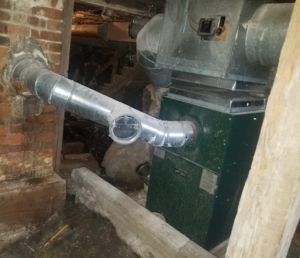
Oil Furnace
water jacket and many other components for proper operation.
- No air filters would be present since the heat is distributed by heat pipes and not ductwork. There would be no heat exchanger but a water jacket instead.
Oil furnaces:
In addition to the above they would also inspect an air filter, heating registers and ductwork. There would be no heating distribution pipes and components like the oil boiler.
As you can see there are many steps in professionaly inspecting and maintaining your heating system to ensure it lasts for many years to come.
Author:
John Voisine, First Choice Home Inspection
CMI, Certified Master Inspector # nachi16042420
Licensed NH Home Inpsector #294
Licensed NH Gas Technician # GF1809665