July 30, 2026
Navigating the real estate market, whether buying, selling, or maintaining a property, involves making well-informed, strategic decisions at every step. One of the most essential milestones in any real estate transaction is evaluating the true physical condition of the property. Knowing what to anticipate during a detailed evaluation helps eliminate costly guesswork and gives you total confidence in your investment. Hiring a professional local home inspection service allows you to thoroughly understand the structural soundness, safety features, and functional condition of the house before closing the deal. In this guide, we walk you through the entire process, outlining what inspectors look for, how evaluations are conducted, and what happens once the final comprehensive report is complete.
Evaluating the Foundation and Structural Integrity
The foundation serves as the core support system for the entire building, making its assessment a top priority during an evaluation. Inspectors carefully examine accessible basement areas, crawlspaces, load-bearing components, and exterior walls for signs of settlement, shifting, or water intrusion. Cracks, bowing walls, and uneven floorboards often indicate underlying structural movement that requires immediate professional attention. Scheduling a local home inspection service ensures that any foundation irregularities are identified early before they evolve into severe structural hazards. Recognizing these foundational conditions allows buyers to negotiate necessary repairs or budget for adjustments long prior to completing their purchase.
Inspecting the Roof and Exterior Shielding
A home's roof and exterior siding form the primary defense against harsh weather elements, persistent moisture, and seasonal temperature swings. During an assessment, the inspector examines shingle condition, flashing around chimneys and vents, gutters, downspouts, and overall exterior drainage pathways. Damaged shingles, improperly sealed joints, or sagging roof lines can lead to hidden water leaks and interior wood rot. Partnering with a reliable local home inspection service provides a thorough check of these high-exposure areas, helping homeowners identify minor wear and tear before it results in costly, widespread water damage inside the living spaces.
Assessing Attic Space and Insulation Quality
Attics offer valuable insight into a property's overall building envelope, ventilation efficiency, and thermal performance. Inspectors climb into accessible attic areas to verify proper insulation depth, check for signs of past or present roof leaks, and ensure adequate, unobstructed ventilation. Identifying gaps in thermal insulation helps homeowners pinpoint hidden sources of energy loss that drive up monthly utility bills. Poor ventilation can trap excess moisture and hot air, leading to roof deck deterioration or rapid mold growth. A detailed evaluation by a local home inspection service reveals whether the attic space meets current energy standards and effectively protects the upper structure from destructive moisture accumulation throughout the changing seasons.
Checking Electrical Systems and Panel Safety
Electrical safety is a major focal point during any property review due to the severe fire risks associated with outdated, overloaded, or improper wiring setups. The inspector checks the main service panel, circuit breakers, grounding systems, outlet functionality, and ground fault circuit interrupter protection near all water sources. Outdated knob-and-tube wiring, overloaded circuits, or exposed connections are flagged immediately for urgent safety reasons. Engaging a qualified local home inspection service ensures that your electrical infrastructure is tested thoroughly, providing clear documentation on whether electrical upgrades are needed for household safety.
Examining Plumbing Fixtures and Supply Lines
Plumbing systems must be inspected for water pressure consistency, adequate drainage, pipe material integrity, and hidden leaks behind fixtures. Inspectors test faucets, sinks, toilets, tubs, and visible supply pipes throughout the home while monitoring water flow and drainage speed. They also check the age, capacity, and overall condition of the water heater, looking for corrosion or temperature pressure relief valve issues. Utilizing a reliable local home inspection service gives buyers a clear picture of the plumbing system's operational health, helping prevent unexpected pipe bursts, water damage, or sewer line backups down the road.
Evaluating Heating and Cooling Systems
HVAC systems play a vital role in maintaining indoor comfort, healthy air quality, and overall energy efficiency throughout the entire year. The evaluation covers the furnace, heat pump, air conditioning unit, distribution ductwork, and thermostat operations to confirm proper heating and cooling distribution. Inspectors check for airflow efficiency, unusual mechanical noises, cracked heat exchangers, and regular filter maintenance history. Identifying early signs of wear or improper ventilation helps prevent unexpected system breakdowns during extreme weather seasons. Consulting an experienced local home inspection service helps you understand the remaining operational lifespan of major HVAC components so you can plan for future maintenance or system replacements accurately.
Reviewing Interior Living Spaces and Finishes
Interior evaluations involve checking walls, ceilings, doors, windows, and built-in fixtures for functional defects, improper settlement, or water staining. Windows are tested for proper latching, smooth operation, and seal integrity to identify draft risks or broken thermal seals. Inspectors also examine interior cabinetry, countertops, and flooring for structural stability and proper alignment. According to the International Association of Certified Home Inspectors, most newly installed kitchen cabinets will last around 50 years. A thorough walk-through by a local home inspection service helps distinguish between basic cosmetic wear and tear and significant interior moisture or structural defects.
Inspecting Garage Structures and Safety Features
Garages require specific attention due to unique structural and safety requirements, particularly regarding fire separation walls and auto-reverse safety sensors on motorized garage doors. Inspectors verify that the drywall barrier separating the garage from living areas is completely intact to prevent fire or toxic fume penetration. They also test mechanical door openers, tracks, and safety sensors to ensure compliance with modern safety standards. Relying on a professional local home inspection service guarantees that garage spaces are fully evaluated for operational safety, structural soundness, and proper ventilation.
Understanding Environmental Hazards and Professional Testing
In addition to standard structural checks, properties can present hidden environmental risks such as radon gas, mold spores, lead paint, or wood-destroying insects. Depending on the age and geographic location of the home, auxiliary testing may be strongly recommended in order to catch any invisible hazards. An inspector points out areas with elevated moisture levels or conditions that could foster pest activity or indoor air quality issues. Working with an accredited local home inspection service ensures you receive expert guidance on which additional environmental evaluations are appropriate for the specific property.
Reviewing the Detailed Inspection Report
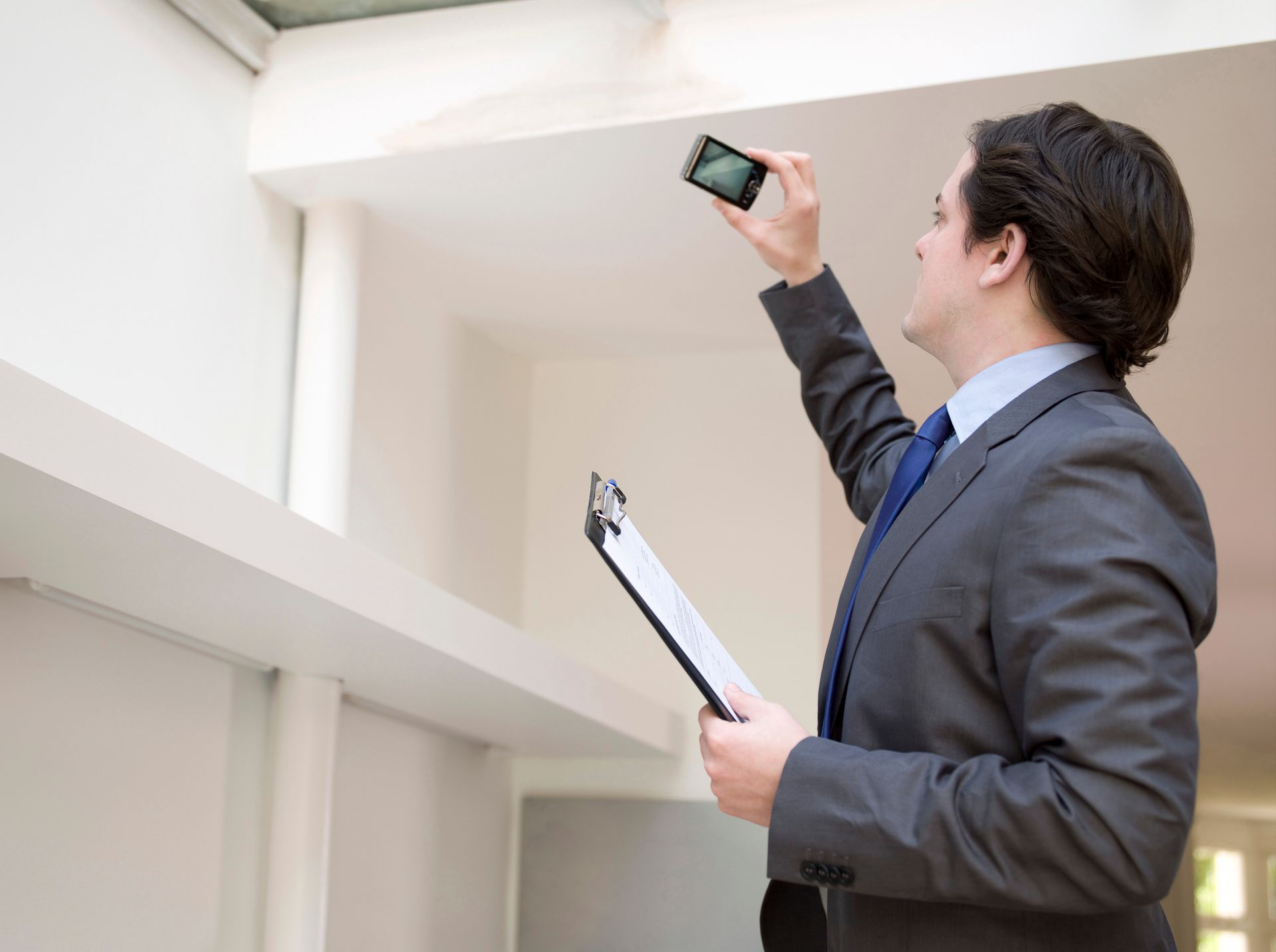
Once the physical walk-through is complete, the inspector compiles all observations, digital photos, and technical notes into a structured, easy-to-read document. This comprehensive report categorizes issues by severity, distinguishing between major structural defects, safety hazards, and routine maintenance items. Having this documented summary allows buyers to negotiate repairs, request credit adjustments, or prepare a practical maintenance plan for post-closing living. Selecting a reputable local home inspection service guarantees you receive a clear, objective report that acts as a valuable guide for your real estate journey.
A comprehensive property evaluation is one of the most effective ways to protect your real estate investment and gain complete peace of mind. From analyzing structural foundations and rooflines to testing electrical panels and plumbing connections, every phase of the evaluation provides crucial insights into the property's overall health and longevity. Partnering with certified professionals ensures that hidden defects are uncovered before they turn into costly surprises. Ready to schedule your upcoming property evaluation? Contact First Choice Home & Commercial Inspection Services today to book your appointment and take the next step toward a safe, confident real estate investment.